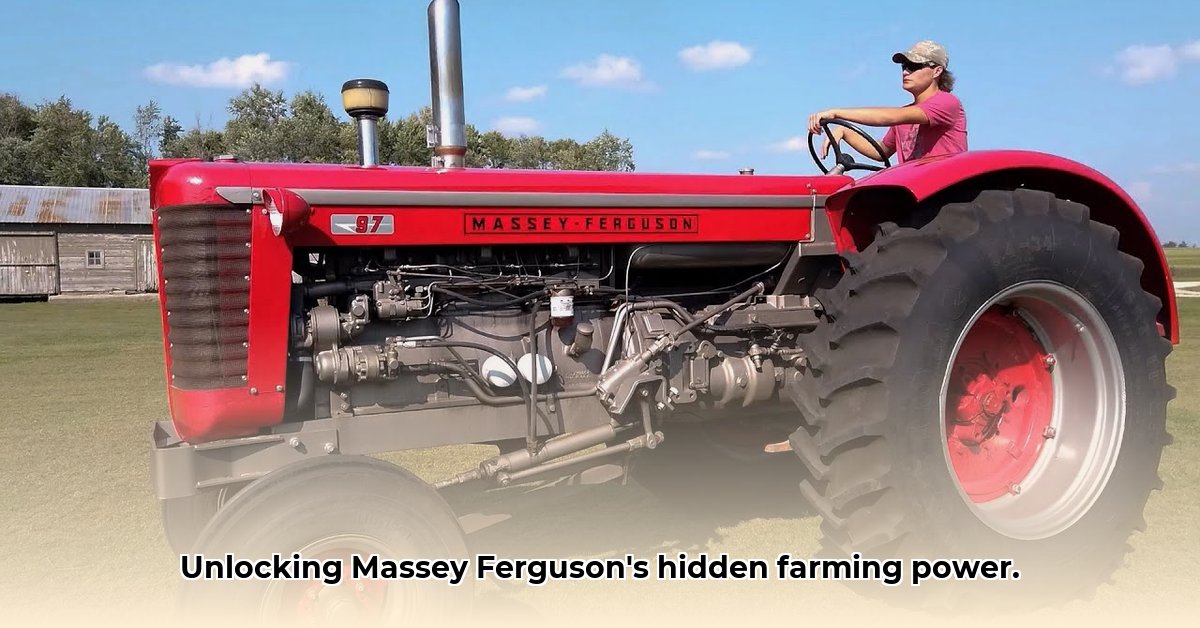
Old Massey Ferguson Tractors: A Sustainable Legacy?
The iconic rumble of a Massey Ferguson tractor, a sound echoing across generations of farms, sparks a vital question in today's era of sustainable agriculture: are these vintage workhorses environmentally responsible assets or relics of a less sustainable past? This isn't mere nostalgia; it's about assessing the surprising role these tractors play in modern farming practices. We’ll examine their remarkable durability, explore the stories of families who've relied on them for decades, and delve into how Massey Ferguson is adapting to create environmentally friendlier tractors. We’ll also address concerns about older models and provide actionable steps to maximize their efficiency. For more details on Massey Ferguson's history, check out this comprehensive resource.
A Legacy of Built-to-Last Machines
Consider the enduring legacy of Larry Elsasser's Massey-Harris Challenger, a testament to decades of reliable field performance. These weren't disposable machines; they were investments built for longevity. This inherent durability is a key element of their sustainability story. Fewer replacements translate to less waste in manufacturing, transportation, and disposal—a simple yet profoundly impactful concept. The phrase "They don't make 'em like they used to" rings true here. These tractors, crafted for exceptional lifespan, stand in sharp contrast to today's faster equipment replacement cycles. Isn't it remarkable how a focus on durability can directly benefit sustainability?
Family Farms and Family Tractors: A Story of Enduring Partnerships
Countless farming families—the Seabergs, the Batliners, and many more—have built their livelihoods upon Massey Ferguson tractors, passing them down through generations like cherished heirlooms. It's not merely about equipment but about a testament to unwavering dependability and trust. Why replace a well-maintained, reliable machine when it continues to deliver? These tractors are deeply intertwined with the fabric of family farms, demonstrating a long-term perspective that aligns beautifully with sustainable farming practices. This generational continuity mirrors the tractors' own durability.
Adapting to Change: A Story of Evolution
Massey Ferguson's history isn't solely defined by robust tractors; it's a narrative of constant adaptation. From early Massey-Harris models to the advanced technology of today's 8S Series, the company has consistently evolved, responding to technological progress and the evolving necessities of farmers. This adaptable nature is a pillar of sustainable growth. Like a seasoned farmer adjusting to unpredictable weather, Massey Ferguson has modified its designs to address farmers' needs and environmental concerns. This evolution has ensured these machines remain relevant and useful for decades.
The Sustainability Paradox: Weighing the Past Against the Present
While older Massey Fergusons represent sustainable longevity, let's acknowledge their environmental impact. Older models, compared to modern tractors, typically exhibited lower fuel efficiency and higher emissions. It’s a trade-off: the longevity of sturdy engineering versus the environmental footprint of less efficient technology. Modern tractors directly address this by incorporating improved fuel economy and cutting-edge emission control systems. Balancing extended lifespan with the responsibility of reduced emissions is a complex but crucial issue.
Bridging the Old and the New: Technology's Embrace
Modern Massey Ferguson tractors signify a major shift towards sustainable practices. Precision farming – sensor-guided planting, optimized irrigation, and reduced pesticide use via targeted application – is now commonplace. This data-driven farming maximizes yield while minimizing the environmental footprint. Modern tractors provide the advanced technology needed to manage these carefully monitored processes. These technological integrations represent a significant leap towards more environmentally responsible agriculture.
The Future of Farming: A Sustainable Path Forward
The future of sustainable agriculture demands a commitment to both responsible methods and innovative technologies. Massey Ferguson, recognizing this, continues pushing the boundaries of fuel efficiency and emission reduction. Their commitment extends beyond their machinery; they actively support environmentally conscious farming strategies. The resilience and longevity of older Massey Ferguson tractors serve as a valuable reminder: durability and sustainability should be core principles of agricultural practices. We must build on and improve upon this legacy. Striving for sustainable practices to become the norm, not the exception, is crucial for the future.
How to Reduce the Environmental Impact of Older Massey Ferguson Tractors
Key Takeaways:
- Older Massey Ferguson tractors, despite their durability, present environmental challenges. Modernization is key to reducing their impact.
- Efficient operation significantly reduces fuel consumption and emissions.
- Regular maintenance prevents leaks and maximizes engine performance.
- Implementing precision farming techniques minimizes resource utilization.
Older Massey Ferguson tractors are iconic workhorses, assisting generations of farmers. However, they’re not known for environmental friendliness. How can we lessen their footprint? There are several crucial steps.
Optimize Operation for Maximum Efficiency: Efficient driving techniques (avoiding idling, careful route planning, appropriate speeds) and proper tire inflation are paramount for minimizing fuel consumption and soil compaction.
Regular Maintenance: Regular oil changes, filter replacements, and leak checks prevent wasted fuel and emissions. A well-maintained engine consumes less fuel.
Embrace Precision Farming Techniques: GPS-guided operations, for example, ensure resources are used only where needed, significantly reducing waste and environmental impact.
Explore Technological Upgrades: Modern controllers and sensors monitor fuel consumption and engine performance in real time. This data-driven approach optimizes operations and efficiency, reducing environmental effects.
Invest in Fuel-Efficient Upgrades: Fuel additives can improve combustion efficiency and reduce emissions.
Address Soil Compaction: Utilizing specialized tires and minimizing unnecessary passes over the same areas keep the field healthier, boosting water absorption and carbon sequestration.
By combining these steps, older Massey Ferguson tractors can continue serving while reducing their environmental impact.